

This boiled cabbage recipe is simple and quick. It cooks quickly in a large pot of water. With about 30 calories per cup and few carbs, this cabbage will fill you up. It helps stop snacking between meals.
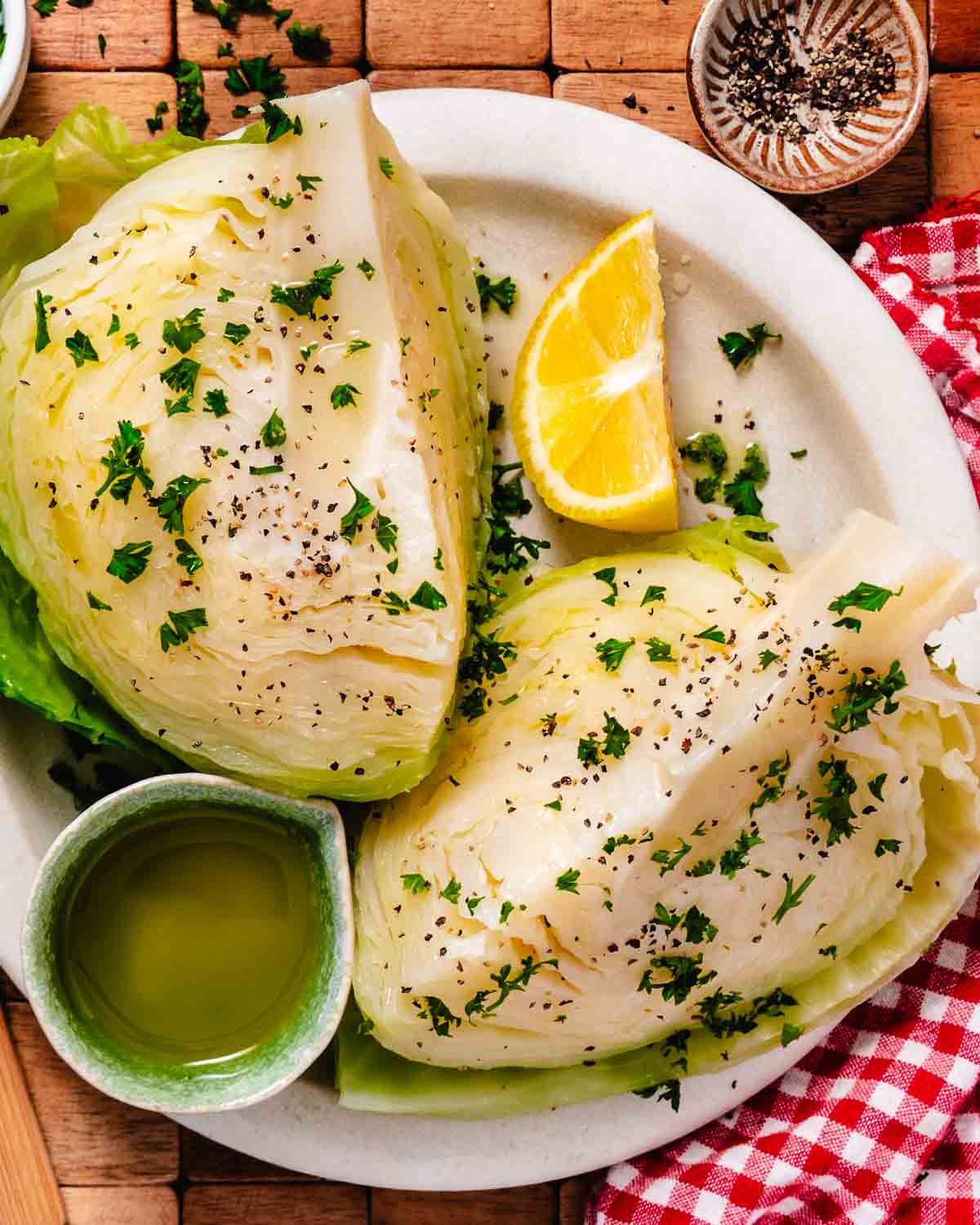
Boiled cabbage is easy and inexpensive. Cook it just until tender, season it well, and keep it simple. This recipe is gluten-free, low-carb, very low in calories, and filling.
Why I Love Boiled Cabbage
Boiled cabbage checks all the boxes for me. It's one of the most underrated vegetables in the kitchen. Filling, low in calories, hydrating, and full of fiber. It also costs about $2.50 for a whole head.
While I usually eat it as coleslaw or slaw on my tacos, I often overlook boiled cabbage. It's a fiber powerhouse that's filling and easy to digest.
Best Snack in The House
I made a big pot of cabbage tomato soup for my January reset. I overindulged it a bit during the holidays. The soup lasted a few days, and I dropped five pounds in five days.
The plan was to make another pot, but that's not what happened. Feeling a little lazy, I bought a head of green cabbage and boiled it instead of making soup.
As the cabbage cooled, I started snacking on the outer leaves. By 6 p.m., cabbage was the only thing I'd eaten all afternoon.
The next morning, I decided to turn this into a Cooking in The Keys post. I went back to the store, bought another head, and cooked it again. Ten minutes, start to finish. Same result. More cabbage leaves, more snacking.
That night, I stepped on the scale. Yes, I know. Bad habit. At 10 p.m., I was three pounds lighter than the day before. And that was at night!
Now it's day three. I had a big omelet for breakfast with some fresh fruit, and I'll eat cabbage through the day.
I still enjoy dinnertime. I'm just not as hungry as I used to be.
Boiling Cabbage Wedges
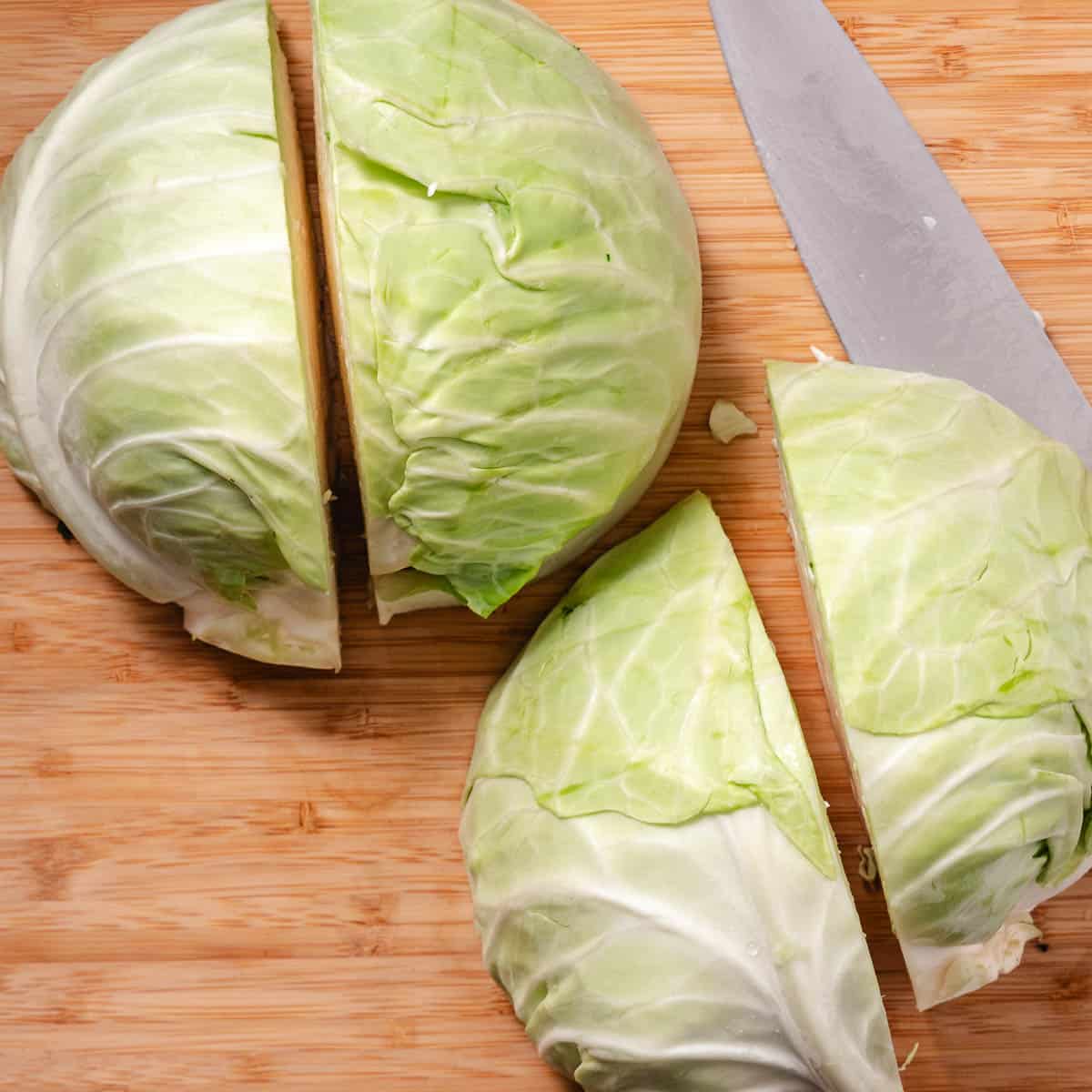
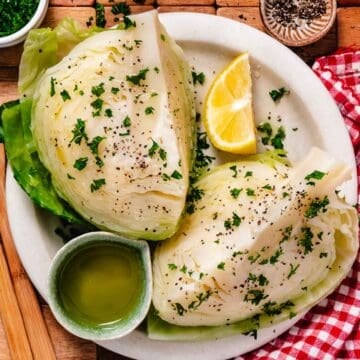
Boil cabbage in wedges so it cooks evenly and stays together.
When you cut cabbage into wedges, a bit of the core holds the leaves in place. That keeps the cabbage from falling apart in the water. The wedges soften at the same rate, so you don't end up with mushy outer leaves and a hard center.
Wedges are also easier to drain, season, and serve. It's simpler to slice the cabbage after boiling than to deal with loose shreds while it's cooking.
Types of Cabbage
You can eat any type of cabbage. Green is the easiest to find, but savoy and napa cabbage taste great. When you go shopping, make sure the head is fresh. The leaves should be bright green and not wilting. The cabbage should be firm, with no brown spots.
Red cabbage can also be boiled, but the beautiful color will fade and could turn grey after it's cooked.
- Green cabbage: The classic. Best for boiling. Mild flavor.
- Savoy cabbage: Crinkly leaves, a little sweeter than green cabbage.
- Napa cabbage: Very tender. Good if you want something softer and lighter.
- Red cabbage: Firmer and more peppery. Better for braising than boiling.
Ingredients
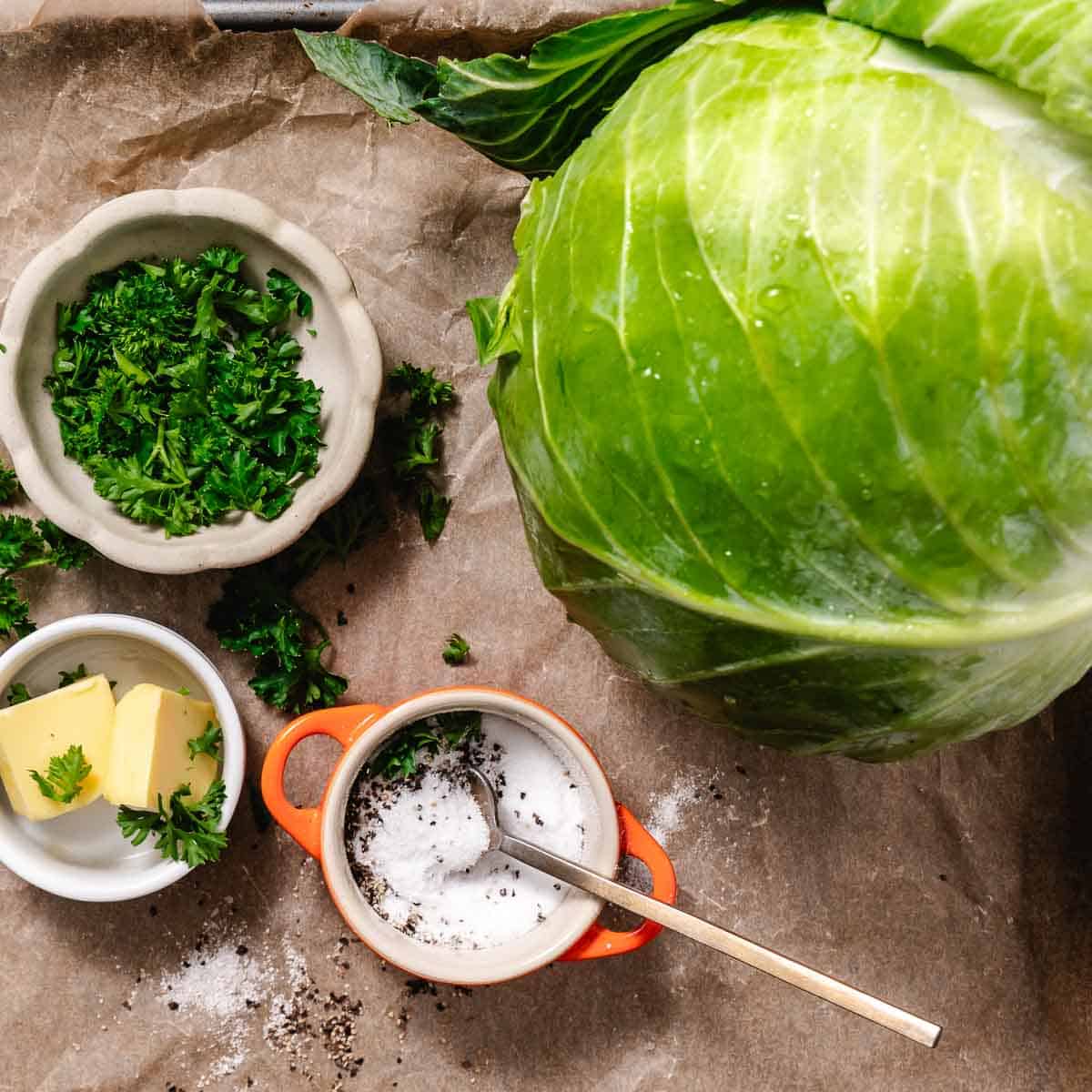
- 1 (2-3 pound) head of green cabbage
- Water
- 3 tablespoons melted butter
- Kosher salt and pepper
- Chopped parsley
How To Boil Cabbage
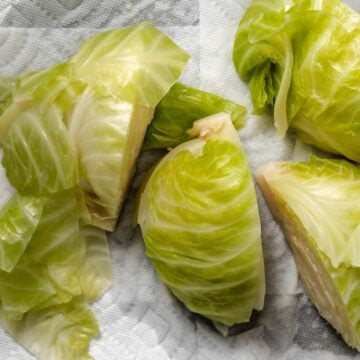
- Remove the outer leaves and cut the cabbage into wedges, leaving a bit of the core attached so the wedges stay together. Slice into eighths if the cabbage is very large.
- Bring a large pot of salted water to a boil.
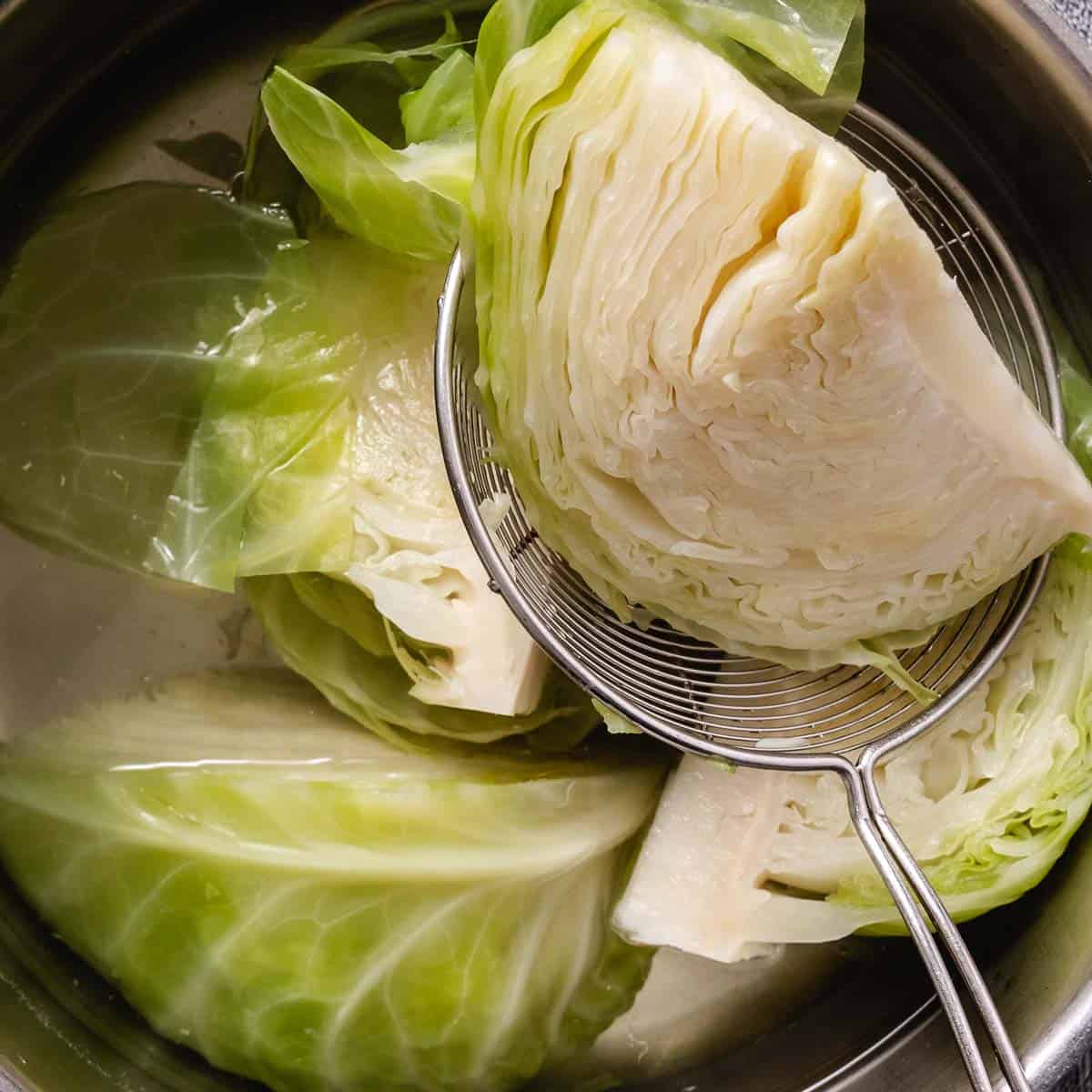
- Add cabbage and return to a simmer (just below the boil).
- Cook 8-15 minutes, until just tender.
- Drain on paper towels to absorb the excess moisture.
- Finish with melted butter, salt, and black pepper. Sprinkle with parsley.
Additional Seasonings
- Apple cider vinegar or red wine vinegar
- Chopped parsley
- Garlic powder
- Onion powder
- Red pepper flakes
- Grated parmesan or Locatelli Romano cheese
Top Tips
- Do not overcook it: Most cabbage only needs a few minutes. Once it goes too far, it turns soft and smells strong.
- Salt the water: Whether boiling or steaming, salt brings out flavor and keeps cabbage from tasting flat.
- Cut it evenly: Similar-size wedges or shreds cook at the same speed and prevent mushy spots.
- Drain it well
- Cabbage keeps cooking after heat: Take it off just before it's done. It will keep cooking until cool.
- If you like simple cabbage dishes, you might also like this easy homemade sweet coleslaw.
Storage and Reheating
- Store leftovers in an airtight container.
- Refrigerate up to 4 days.
- Reheat gently on the stove with a little butter, olive oil, or water.
What To Serve With Cabbage
The most popular way to eat a head of cabbage is boiled with corned beef, especially for St. Patrick's Day. The salty, rich beef pairs naturally with soft, mild cabbage. Boiled potatoes belong on the plate too. They're simple, filling, and pick up all the flavor from the meat and cabbage.
Cabbage is often served alongside roasted chicken, ham, Medium-Rare NY Strip Steak, or sausages, where it helps balance the richness of the meat.
For lighter meals, cabbage pairs with eggs. Think fried eggs, Denver omelets, or a simple scrambled eggs lunch.
You can also chop leftovers and reheat them with meat or fold them into soups.
More Low Calorie Vegetable Recipes
- Cabbage Tomato Soup: Our top pick for weight loss. This light, filling soup helps you fill up before meals, leaving less room to overeat later.
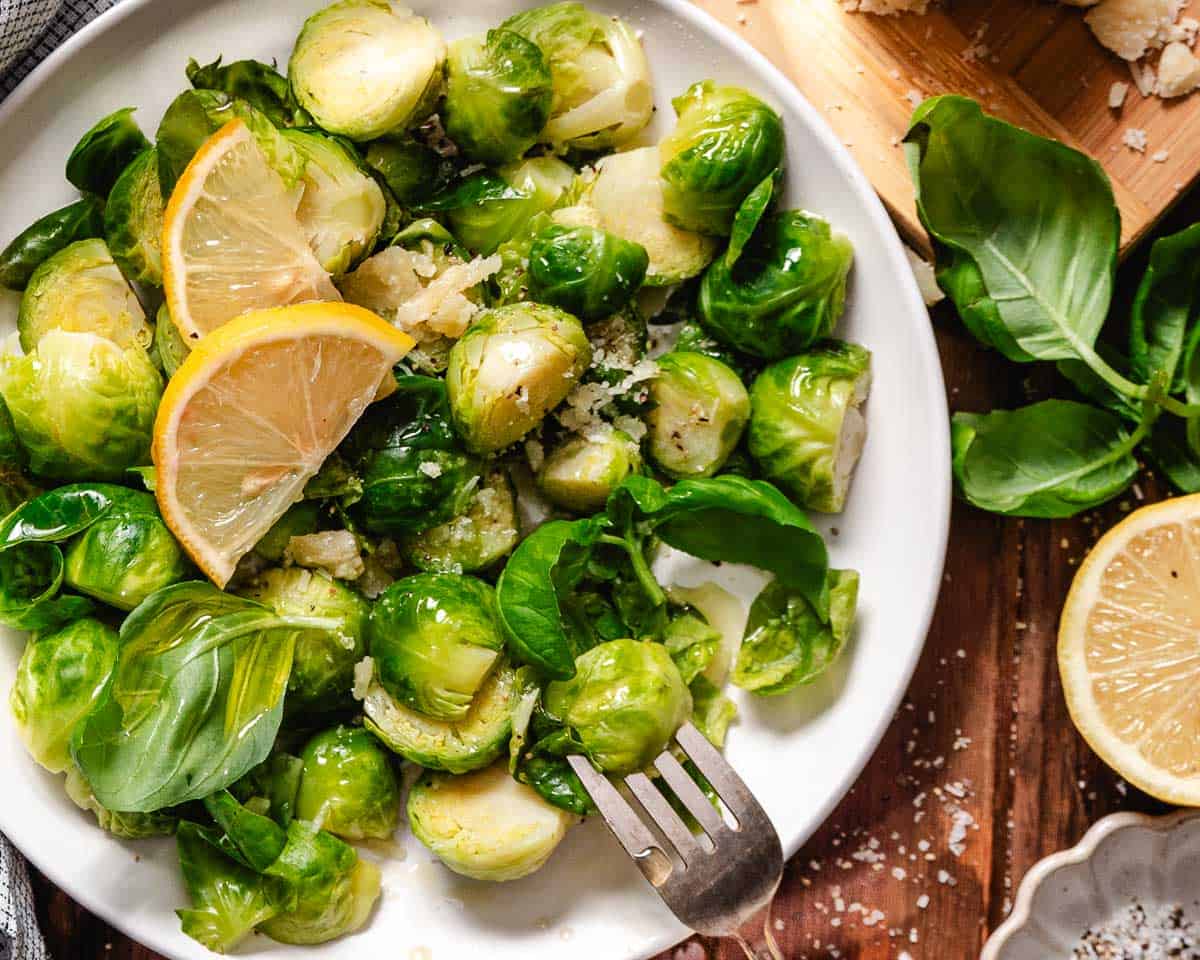
- Steamed Brussels Sprouts: Soft, clean-tasting, and easy. Finish with butter and salt.
- Steamed Broccoli and Carrots: A basic vegetable side that goes with almost anything.
- Steamed Purple Sweet Potatoes: Naturally sweet, tender, and filling. Great as a simple side.
- Ray Peat Carrot Salad: Raw carrots tossed with a simple dressing. Clean, crunchy, eaten to support digestion.
FAQ
Cut the cabbage into wedges, remove the core, and add it to a pot of salted boiling water. Cook until just tender, about 10-15 minutes. Drain well before serving.
Start by removing any loose outer leaves. Cut the cabbage in half through the core, then cut each half into quarters. Leave a bit of the core attached to each wedge so the pieces stay together while boiling.
Cabbage takes about 10 to 15 minutes to boil, depending on how soft you like it and how large the pieces are.
Yes, Brussels sprouts are a type of cabbage. They belong to the same family as green cabbage, red cabbage, broccoli, cauliflower, and kale. Brussels sprouts are basically small cabbage buds that grow along a thick stalk.
You can boil, steam, sauté, roast, or braise them just like cabbage.
It smells strong when it's overcooked. Cabbage only needs about 8 to 12 minutes. Once it goes past that, sulfur compounds kick in and the smell takes over.
Leave the pot uncovered or only partially covered. Keeping it uncovered lets steam escape and helps prevent strong odors and overcooking.
Cut it into wedges. Whole cabbage takes longer to cook and ends up uneven, with soft outer leaves and a hard center.
1 cup boiled cabbage has about 30-35 calories
Boiled Cabbage Recipe
Ingredients
- 1 head cabbage
- water
- salt and freshly ground black pepper, to taste
- 2 tablespoons butter or extra virgin olive oil
- 2 tablespoons fresh chopped parsley
Optional Seasonings
- apple cider vinegar or red wine vinegar
- garlic powder
- onion powder
- red pepper flakes
- grated parmesan cheese
Instructions
- Remove the outer leaves and cut the cabbage into wedges, leaving a bit of the core attached so the wedges stay together. Slice into eighths if the cabbage is very large.
- Bring a large pot of salted water or vegetable broth to a boil and season generously with salt.
- Add the cabbage and return the water to a simmer.
- Cook for 8-15 minutes, until just tender. A knife inserted into the stem should slide in easily when it's done.

- Drain the cabbage in a colander set over the pot, or lay a few paper towels on a sheet pan and place the cabbage on top to absorb excess moisture.
- Finish with melted butter, salt, and black pepper. Sprinkle with parsley.
Felice Kaufman says
This worked exactly as written, thanks!