

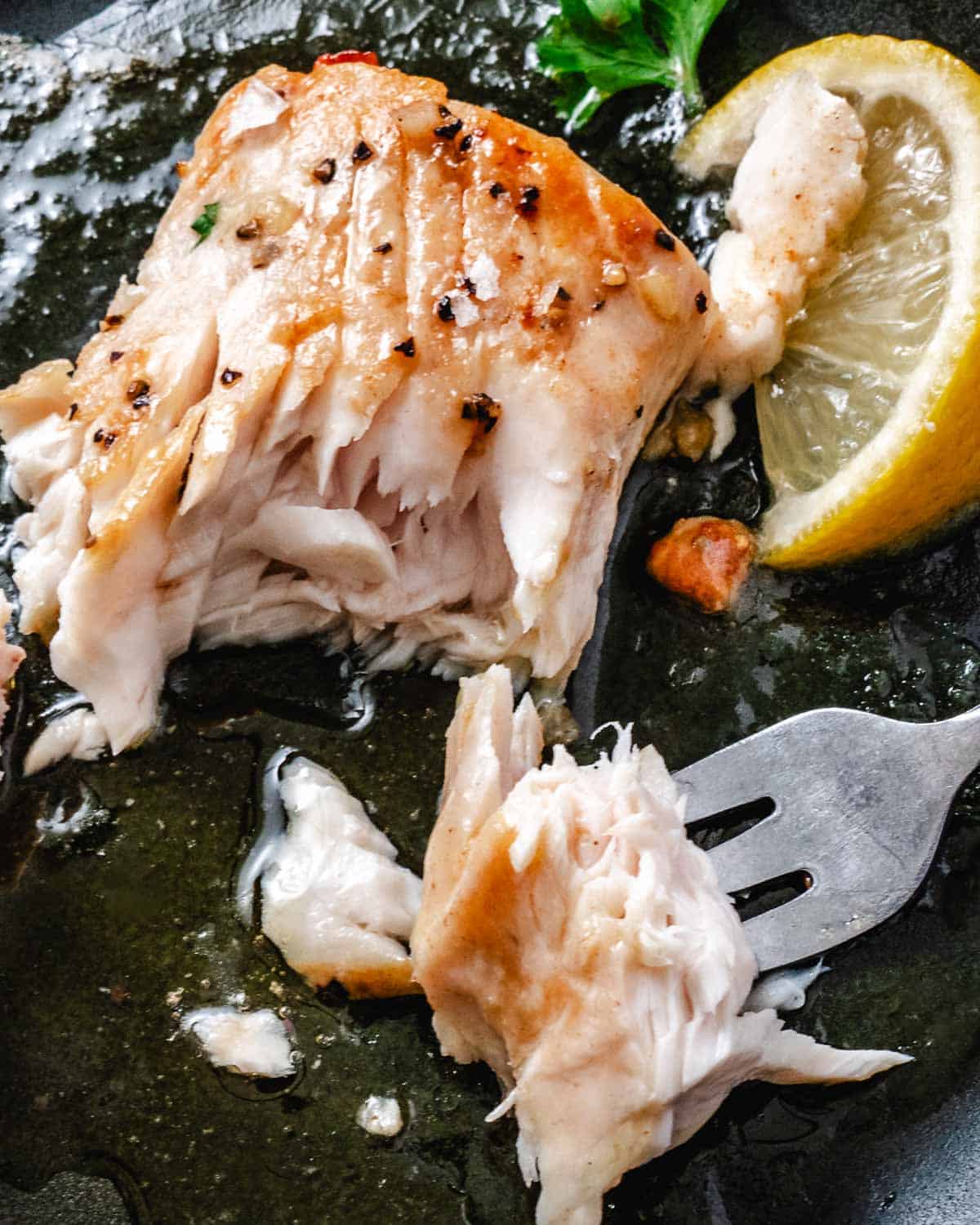
Learn How to Cook Fresh Mahi Mahi with this simple recipe. Nothing screams the Florida Keys like a big mahi mahi. Whether you just caught it yourself or your neighbors dropped a fresh catch at your doorstep, this is the simple technique we use every time for fish so good, you'll be eating it right out of the pan. Yes, it's that good!
Quick Look: How To Cook Fresh Mahi Mahi
- Taste: Mild, clean, and slightly sweet with rich garlic butter and bright lemon.
- Servings: 2
- Total time: 18 minutes
- Main ingredients: Fresh mahi mahi fillets, olive oil, butter, garlic, and lemon.
- Tools needed: Large skillet, spatula, paper towels, and spoon.
- Why you'll love it: Fast, simple, and restaurant-quality, with moist, flaky fish and a golden sear.
SUMMARIZE & SAVE THIS CONTENT ON
Jump to:
- Quick Look: How To Cook Fresh Mahi Mahi
- Why Fresh Mahi Mahi Is So Good
- Ingredients
- How to Cook Fresh Mahi Mahi
- Grilling Instructions
- How Long Does Fresh Mahi Mahi Take to Cook?
- How to Tell When Mahi Mahi Is Done
- Chef's Tips
- Serving Suggestions
- Storage and Reheating
- More Florida Keys Fish Recipes
- How to Cook Fresh Mahi Mahi
- FAQ
Why Fresh Mahi Mahi Is So Good
When a friend brought me this beautiful fresh fish, I changed my dinner plans and cooked it right away.
For the best result, season the mahi mahi with salt and pepper, sear it in a hot skillet, then finish it with butter, garlic, and lemon.
It was one of the best pieces of mahi mahi I've ever eaten-firm, moist, naturally sweet, and covered with buttery pan juices.
I had planned to make red snapper for dinner, but fresh mahi mahi at the doorstep was too good to pass up.
Fresh mahi mahi, also called dolphinfish, has firm, pale pink flesh and a mild, clean flavor. It is meatier than snapper but lighter than swordfish.
The thick fillets hold together beautifully in a skillet and brown without flour or breading. When the fish is this fresh, simple seasoning is all it needs.
Ingredients
See the recipe card below for exact amounts.
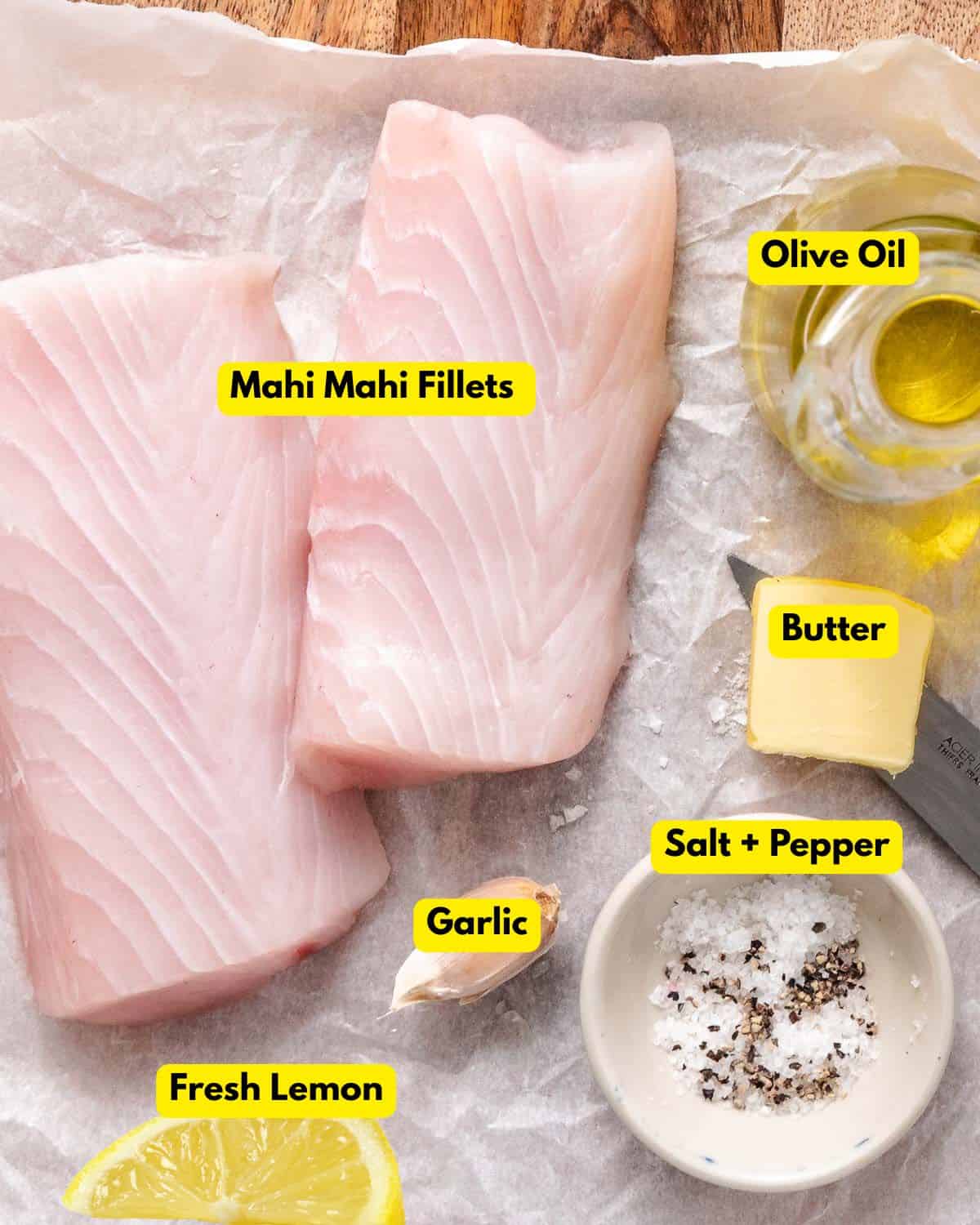
- Fresh mahi mahi fillets: choose thick, evenly sized fillets so they cook evenly.
- Kosher salt and black pepper: season the fish and bring out its mild, clean flavor.
- Olive oil or another cooking oil: helps the fillets develop a golden crust.
- Butter: creates the rich pan sauce and keeps the fish moist while basting.
- Fresh garlic, minced: adds savory flavor to the melted butter.
- Fresh lemon juice: brightens the garlic butter and balances its richness.
- Chopped parsley: adds fresh flavor and color.
- Lemon wedges: squeeze over the fish just before eating.
How to Cook Fresh Mahi Mahi
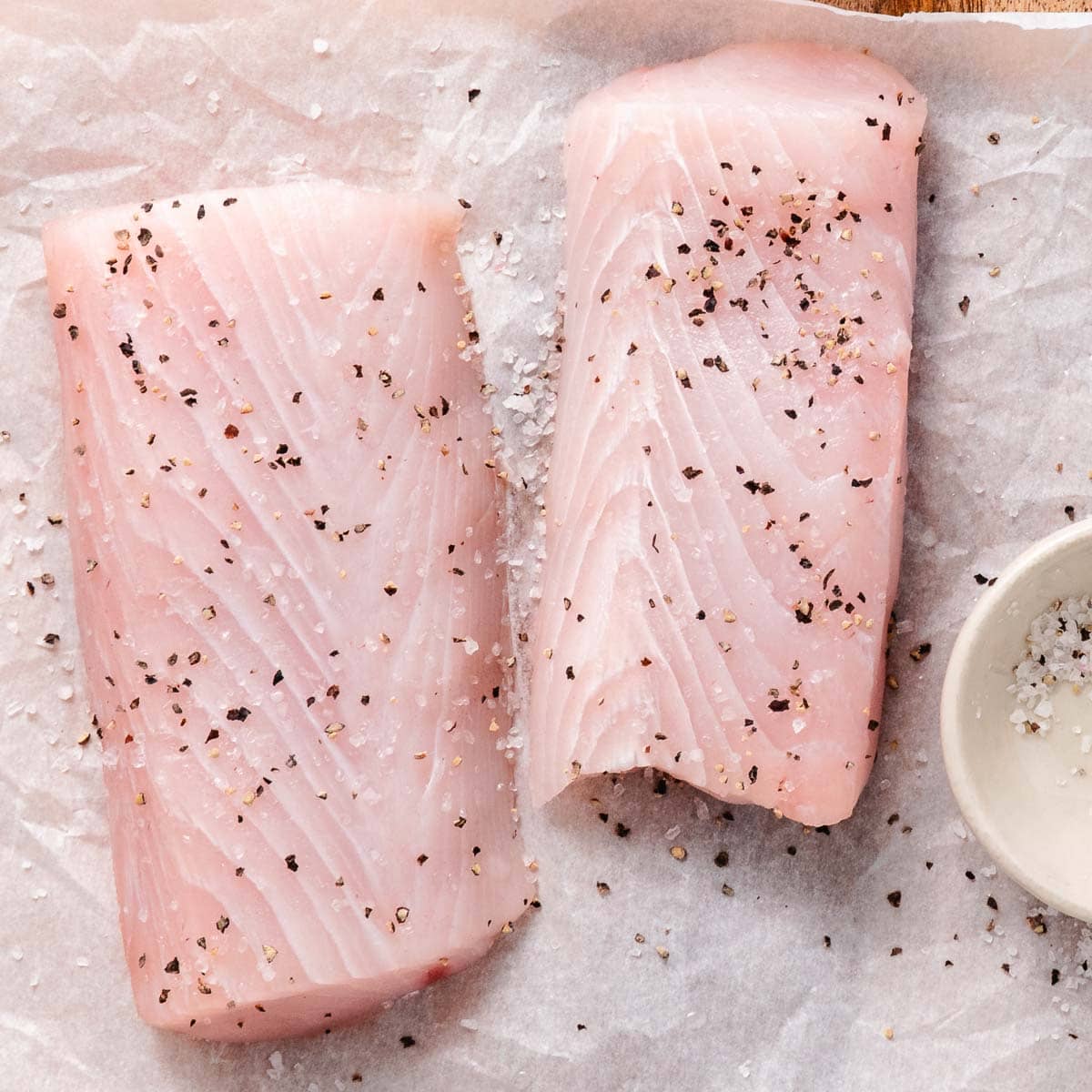
- Prepare the fish: Remove the mahi mahi from the refrigerator or ice a few minutes before cooking. Pat the fillets completely dry with paper towels before cooking.
- Heat the skillet: Heat the oil in a large skillet over medium-high heat. Let the pan get hot before adding the fish. The oil should shimmer.
- Season: Season both sides with kosher salt and black pepper.
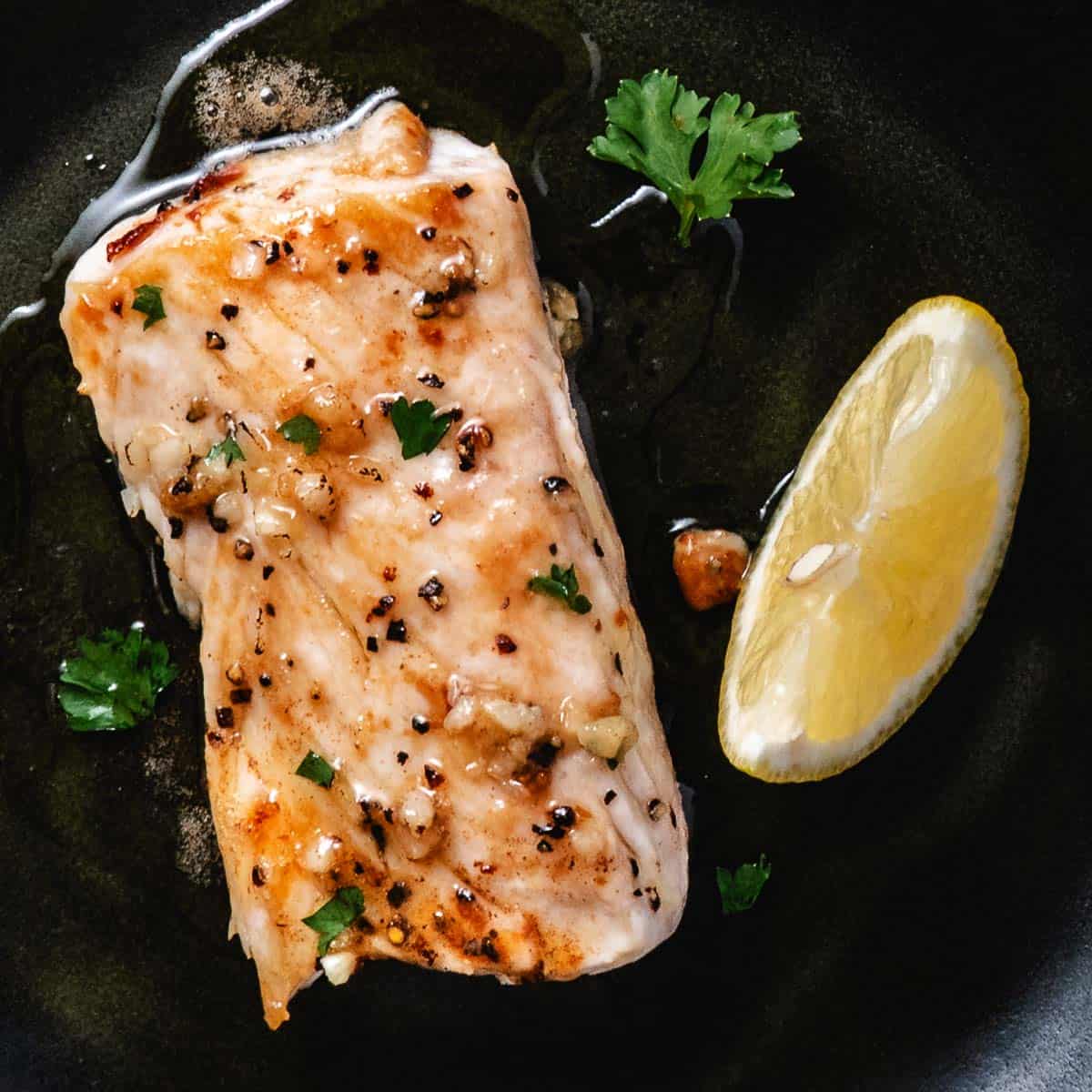
- Sear the mahi mahi: Place the fish in the skillet and cook about 3 minutes without moving it until you get a nice sear and the fish releases easily from the pan. Flip and cook the second side for another 3 minutes.
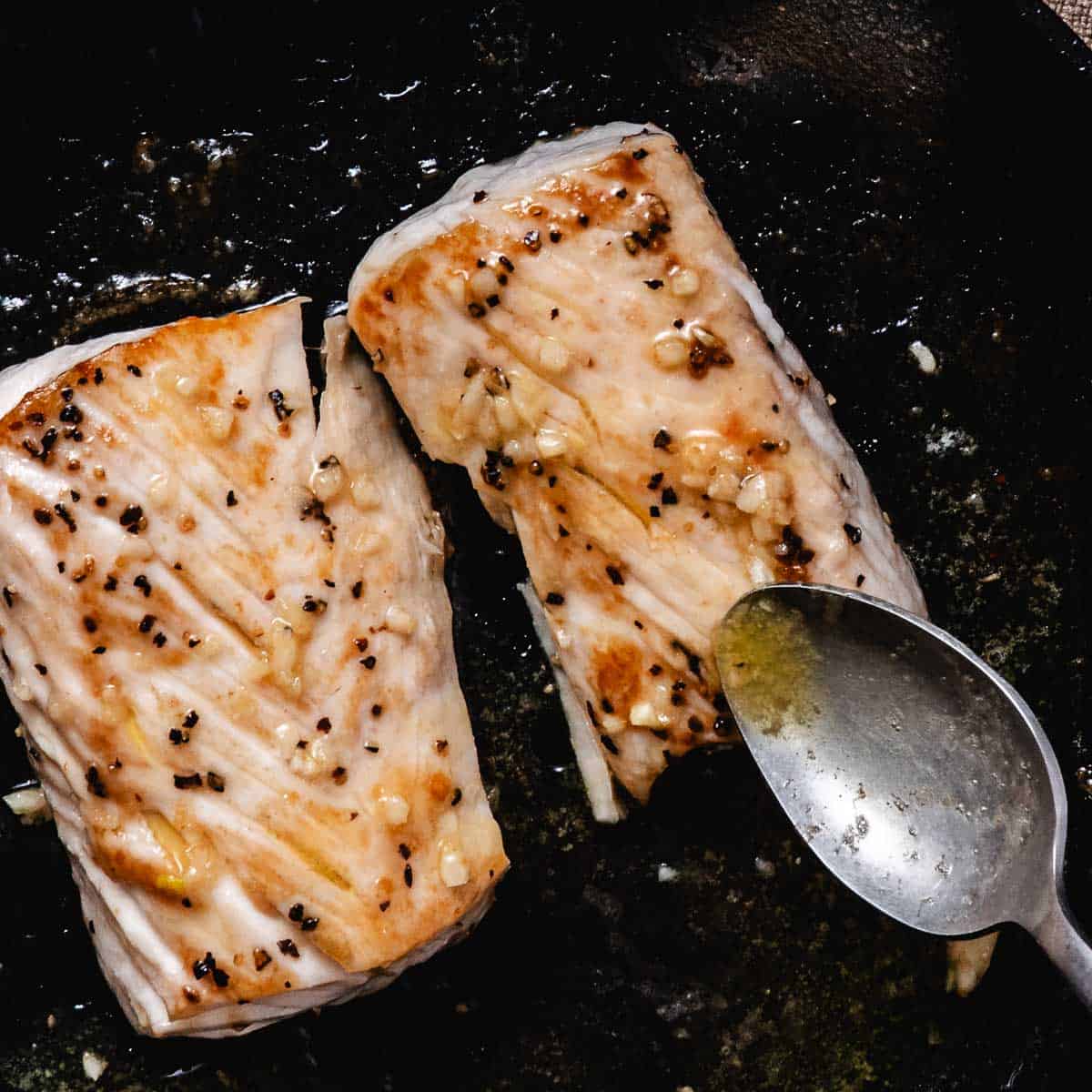
- Add butter and garlic: Lower the heat to medium-low. Add the butter and garlic to the skillet. As the butter melts, tilt the pan slightly and spoon the garlic butter over the fish for about 30 seconds. Add a squeeze of lemon and spoon the pan juices over the fillets once more.
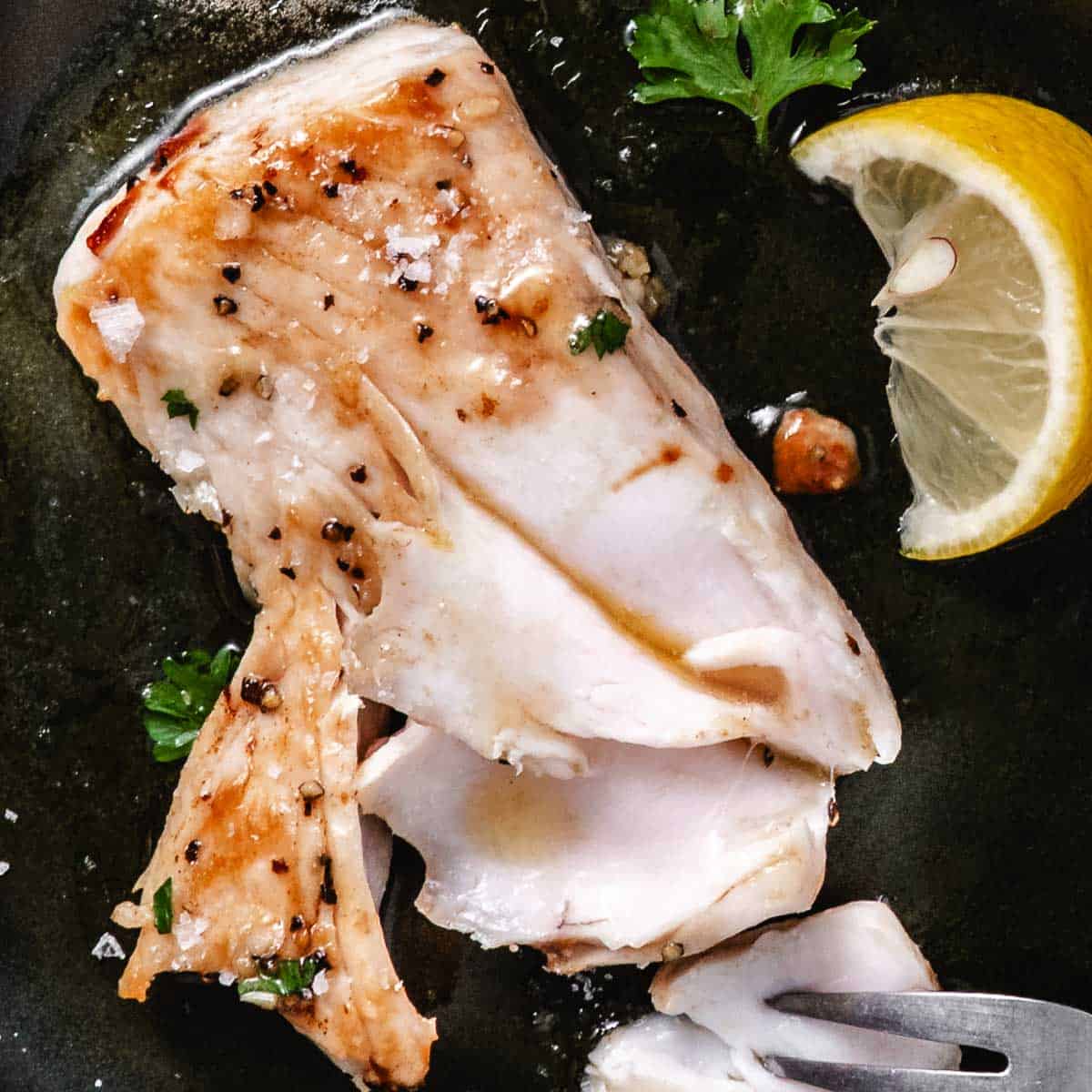
- Check for doneness: Mahi mahi is done when the center is opaque and separates into moist flakes when gently pressed with a fork.
- Serve: Remove the fish from the pan as soon as it is cooked through.
Grilling Instructions
Preheat the grill to medium-high heat. Pat the mahi mahi fillets dry, brush both sides with olive oil, and season with kosher salt and black pepper.
Place the fillets on the hot grill and cook for 3 to 4 minutes without moving them. When the fish releases easily from the grates, flip and grill for another 3 to 4 minutes, depending on the thickness.
While the fish cooks, melt 4 tablespoons of butter in a small skillet or saucepan on the grill or a nearby burner. Add 2 minced garlic cloves and cook for about 30 seconds, just until fragrant. Stir in 2 tablespoons of fresh lemon juice and season to taste with salt and pepper.
The mahi mahi is done when it reaches 145°F in the thickest part and the center is opaque and separates into moist flakes. Remove it from the grill and spoon the warm garlic-lemon butter over the top. Garnish with chopped parsley and serve with lemon wedges.
How Long Does Fresh Mahi Mahi Take to Cook?
These thick fillets took about 7 to 8 minutes in a hot skillet.
A thinner piece may only need 3 minutes on the first side and 2 minutes after turning. Exact time depends on the fish thickness and your skillet heat.
Watch the fish rather than the clock. It should turn opaque from the outside toward the center and release from the pan when the first side has browned.
How to Tell When Mahi Mahi Is Done
Cooked mahi mahi should:
- Reach 145°F in the thickest part when checked with an instant-read thermometer
- Be opaque through the center
- Feel moist and firm
- Separate easily into large flakes
- Be lightly browned on the outside
Avoid cooking mahi mahi until it becomes hard or dry. Fresh mahi mahi is at its best when the center is just cooked through.
Chef's Tips
Pat the fillets completely dry before seasoning. Moisture prevents browning and can cause the fish to steam.
Season the fillets just before cooking. Salt can draw moisture to the surface, which works against the drying you just did.
Start with a hot pan, but lower the heat after turning the fish so the butter and garlic don't burn.
Don't force the fillet from the skillet. When the first side has properly seared, it should release more easily. If you are using a nonstick pan, this should not be a problem.
Most importantly, fresh fish does not need heavy seasoning. It does not taste fishy, so there is nothing to cover up. Let the clean flavor of the mahi mahi come through.
Serving Suggestions
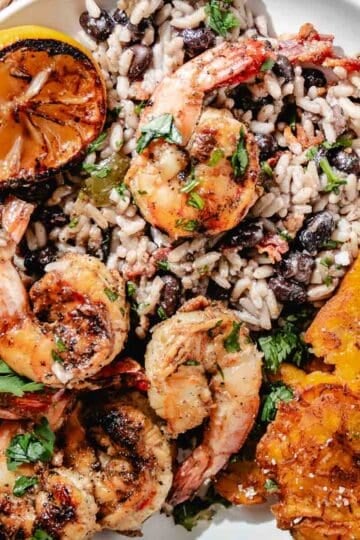
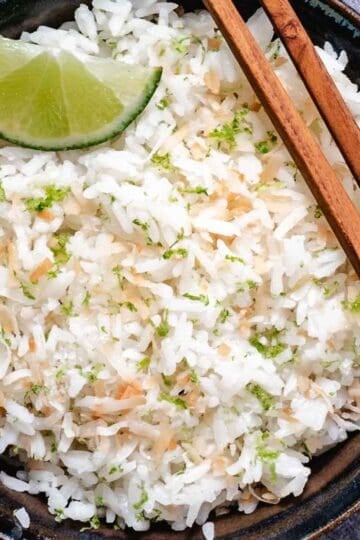
Serve the fish with Lemon Asparagus Rice, Coconut Rice, Roasted Baby Potatoes, or a simple green vegetable.
Crispy Italian bread, a Mixed Garden Salad, or Steamed Asparagus are also good choices.
For something fresh and fruity, try Peach Mango Salsa or Mango Pico de Gallo with the buttery fish.
For dessert, try our Key Lime Pie.
Storage and Reheating
Should you have leftovers, store the mahi mahi in an airtight container in the refrigerator for up to 2 days.
Reheat gently in a covered skillet over low heat with a small amount of butter or water. You can also microwave it in short intervals at reduced power. Avoid overheating, or the fish may become dry.
More Florida Keys Fish Recipes
Try one of these next:
How to Cook Fresh Mahi Mahi
Equipment
- Paper towels, for drying the fish
- Large skillet or outdoor grill
- Fish spatula
- Large spoon, for basting or small saucepan for grilling
Ingredients
- 2 fresh mahi mahi fillets, about 6 oz. each
- Kosher salt
- Black pepper
- 1 tablespoon olive oil
- 2 tablespoons butter
- 1 garlic clove minced
- 1 tablespoon fresh lemon juice
- Chopped fresh parsley for serving
- Lemon wedges for serving
Instructions
- Take the mahi mahi out of the refrigerator, or off the ice, about 15 minutes before cooking. Pat dry with paper towels to get a good sear.
- Heat the oil in a large skillet over medium-high heat. Let the pan get hot before adding the fish.
- Season both sides with kosher salt and black pepper.
- Place the fish in the skillet and cook about 3 minutes without moving it until you get a nice sear and the fish releases easily from the pan. Flip and cook the second side for another 3 minutes.
- Lower the heat to medium-low. Add the butter and garlic to the skillet. As the butter melts, tilt the pan slightly and spoon the garlic butter over the fish for about 30 seconds. Add the lemon juice and spoon the pan juices over the fillets once more.
- Mahi mahi is done when the center is opaque and separates into moist flakes when gently pressed with a fork.
- Remove the fish from the pan as soon as it is cooked through. Spoon the garlic butter and pan juices over the top. Garnish with parsley and serve with lemon wedges.
Grilling Instructions
- Preheat the grill to medium-high heat. Pat the mahi mahi fillets dry, brush both sides with olive oil, and season with kosher salt and black pepper.
- Place the fillets on the hot grill and cook for 3 to 4 minutes without moving them. When the fish releases easily from the grates, flip and grill for another 3 to 4 minutes, depending on the thickness.
- While the fish cooks, melt 4 tablespoons of butter in a small skillet or saucepan on the grill or a nearby burner. Add 2 minced garlic cloves and cook for about 30 seconds, just until fragrant. Stir in 2 tablespoons of fresh lemon juice and season to taste with salt and pepper.
- The mahi mahi is done when it reaches 145°F in the thickest part and the center is opaque and separates into moist flakes. Remove it from the grill and spoon the warm garlic-lemon butter over the top. Garnish with chopped parsley and serve with lemon wedges.
Notes
Nutrition
FAQ
Look for translucent flesh with visible muscle striations, firm texture that springs back when pressed, a dark red rather than brown bloodline, and a clean smell with no trace of ammonia.
Cook mahi to 145°F in the thickest part. It will carry over a few degrees after you take it off the heat.
Almost always surface moisture. Dry the fillets thoroughly with a towel before they go in the pan, make sure the pan is properly hot, and don't crowd it. Moving the fish too early also prevents a crust from forming.
Yes. Nonstick runs cooler than cast iron, but you can absolutely get a good sear in one if the fish is dry and you leave it alone long enough.
Most mahi is sold skinless. If yours has skin, it's edible but thick and not especially pleasant. Most people remove it.
No. It's one of the milder fish you can buy, with a slightly sweet flavor and firm texture. If your mahi tastes fishy, it isn't fresh.
Leave a Reply
You must be logged in to post a comment.